Shipping from China to the Middle East

With the rapid development of trade between China and the Middle East, more and more companies are focusing on how to transport goods from China to Middle Eastern countries more efficiently and at a lower cost. As a strategic hub connecting Asia, Europe, and Africa, the Middle East is not only an energy export center but also a crucial market for Chinese-made products such as machinery, electronics, building materials, and household goods. Countries like the UAE, Saudi Arabia, Qatar, Kuwait, Oman, Bahrain, and Jordan maintain close import needs with China.

In international transportation, companies are typically most concerned with factors such as the choice of transport mode, transit time, customs clearance requirements, final delivery method, cost structure, and the convenience of using DDP or door-to-door services. Therefore, a comprehensive understanding of the core characteristics of transportation from China to the Middle East is key to ensuring smooth and efficient logistics.

learn more: Shipping from China to the Middle East Cost and Time

Common methods for transporting goods from China to Middle Eastern countries include sea freight, air freight, rail freight (in some countries only), multimodal transport, and cross-border express delivery, with sea freight and air freight being the most prevalent channels. Different countries, different types of goods, and customer budget requirements will all influence the final choice of transport mode.

Ocean freight is generally the most popular mode of transport for businesses, suitable for large volumes of goods, offering low prices and high stability. For countries with large ports like the UAE and Saudi Arabia, ocean freight offers a wide range of cargo space and shipping options. Air freight is better suited for high-value, urgent, or small-volume goods, such as electronic components, medical equipment, cosmetics, and fashion products. 

Furthermore, Middle Eastern countries have strict import regulations, and the complexity of customs clearance procedures varies. For example, the UAE has fast customs clearance and a digitalized process, while Saudi Arabia implements a stricter product certification system (such as SABER). Therefore, in addition to the mode of transport, it is crucial to prepare all necessary documents, certifications, and regulatory compliance materials in advance.

European port — logistics illustration  

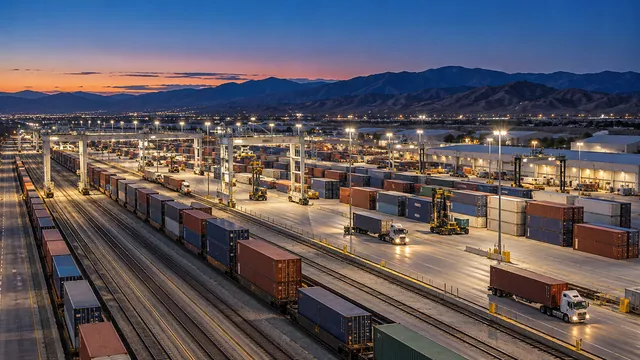
Rail terminal — logistics illustration

Container Shipping Rates from China to Middle East

  • Shipping from China to Middle Eastern ports (such as Jebel Ali Port, Khalifa Port, Jeddah Islamic Port, Dammam Port, and Shuwaikh Port)
  • Reliable shiping schedule
  • Contract Freight With Major Carrier
Atlantic port — logistics illustration

LCL Freight Shipping from China to Middle East

  • Shipping from China to Middle Eastern ports (such as Jebel Ali Port, Khalifa Port, Jeddah Islamic Port, Dammam Port, and Shuwaikh Port)
  • Fixed Schedule with in time delivery
  • Competitive freight based on per CBM or TON
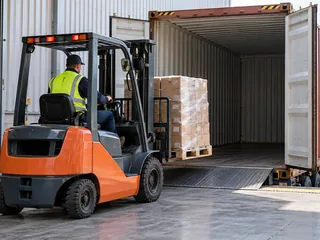
Container loading — logistics illustration

Air Freight cost from China to Middle East

  • Air freight from China to Middle Eastern airports including Dubai, Riyadh, Jeddah, and Doha..
  • Competitive air freight rate
  • Directly and transit service both included
Cargo planning team — logistics illustration

Courier Serivce Shipping from China to Middle East

  • Delivery to Middle East
  • Huge discount of DHL/FEDEX/TNT/ARAMEX
  • Including customs clearance
Warehouse racks — logistics illustration

Door to Door Shipping from China to Middle East

  • Door service by LCL/FCL/Air
  • Handling all related customs document
  • Including customs duty&taxes (DDP/DDU)
Last mile van — logistics illustration

Consolidiation Service

  • Collect cargo fm different supplier with different city
  • Warehouse in every main city in China
  • Custom clearance and document making

Table of Contents

Sea Freight from China to the Middle East

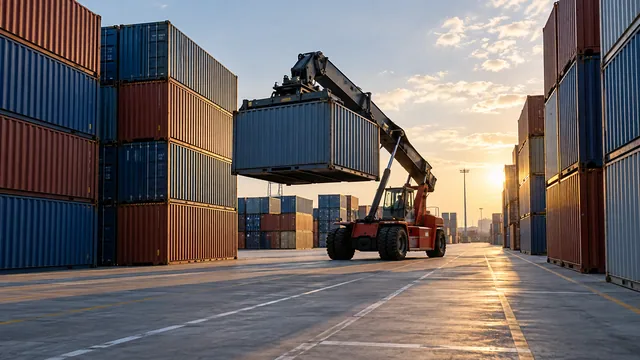
Sea freight is one of the most core and stable modes of transportation from China to the Middle East, particularly suitable for bulk goods such as machinery and equipment, ceramic tiles and building materials, large household goods, auto parts, and engineering materials. The Middle East boasts a cluster of international ports, including Dubai’s Jebel Ali Port, Abu Dhabi’s Khalifa Port, Saudi Arabia’s Jeddah Islamic Port and Dammam Port, Kuwait’s Shuwaikh Port, Qatar’s Hamad Port, and Oman’s Sohar Port.

Sea freight transit time typically ranges from 15 to 35 days, depending on the port of origin, port of destination, and transshipment arrangements. Shipments depart from major Chinese ports such as Shanghai, Shenzhen, Ningbo, Qingdao, and Tianjin, reaching Middle Eastern ports via direct or transshipment routes. The UAE and Saudi Arabia offer the most abundant shipping routes with stable schedules, suitable for ongoing trade projects.

Sea freight is divided into FCL (Full Container Load) and LCL (Less than Container Load). FCL is more suitable for customers with larger shipment volumes, while LCL is suitable for companies with insufficient cargo to fill a container. For businesses requiring door-to-door delivery, local trucking can be arranged to transport goods from the port to Dubai, Riyadh, Doha, or other inland cities.

Overall, sea freight is the lowest-cost and most versatile transportation option, making it the preferred method for most companies exporting goods from China to the Middle East.
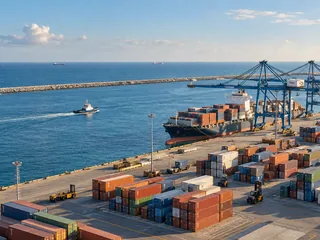
Quay aerial — logistics illustration

Major ports in the Middle East

  • Jebel Ali Port (Dubai): As the largest port in the Middle East, Jebel Ali Port connects many places in Asia, Europe and Africa, and is an important hub for cargo transportation between the Middle East and China.
  • Dammam Port (Saudi Arabia): Located on the Arabian Gulf, it is a key hub for trade among Gulf Cooperation Council (GCC) member states.
  • Shwajh Port (Kuwait): Handles a large volume of container and general cargo transport.
  • Hamad Port (Qatar): A modern port playing a crucial role in Qatar’s ambitious infrastructure projects.
  • Umm Qasr Port (Iraq): Iraq’s largest port, vital to the country’s import and export activities.

Learn more: Shipping from China to the Middle East Cost and Time

Air Freight from China to the Middle East

Air freight is the fastest mode of transport, often used for high-value, time-sensitive shipments or urgent new product launches. Numerous air freight routes exist from China to the Middle East, including direct and connecting flights, covering major airports such as Dubai, Abu Dhabi, Riyadh, Jeddah, Doha, and Kuwait City. Shenzhen Airport, Guangzhou Baiyun Airport, Shanghai Pudong Airport, Ningbo Airport, and Hong Kong Airport in China are commonly used departure points.

Transportation time typically ranges from 1 to 7 days, depending on flight availability and the destination airport. Dubai (DXB/DWC) is the largest air freight hub in the Middle East, boasting extremely high transit efficiency; while Riyadh and Jeddah airports in Saudi Arabia have invested heavily in recent years to enhance their cargo capacity, making customs clearance and transshipment more convenient.

Air freight costs are calculated per kilogram, with a minimum shipment weight of 45 kilograms. Peak and off-peak seasons, flight demand, fuel surcharges, and cargo type all affect the final cost. For example, demand for electronic and fashion products is high during air freight, resulting in significant price fluctuations during peak seasons.

Air freight is suitable for companies looking to replenish stock quickly or gain a competitive edge in the market, helping to reduce inventory risk and improve supply chain responsiveness.

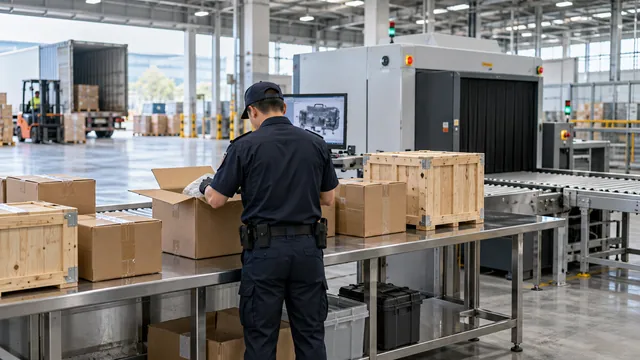
Sorting conveyor — logistics illustration

Major Airports in the Middle East

  • Dubai International Airport (DXB, UAE): Dubai International Airport is one of the world’s busiest airports and a major international air cargo hub.
  • King Khalid International Airport (RUH, Saudi Arabia): Located in Riyadh, this airport is a major cargo hub in the region.
  • Kuwait International Airport (KWI, Kuwait): This airport handles a large volume of air cargo, supporting Kuwait’s robust economy.
  • Hamad International Airport (DOH, Qatar): DOH is renowned for its advanced facilities and is key to Qatar’s growing trade activities.
  • Baghdad International Airport (BGW, Iraq): Iraq’s main airport, crucial to the country’s import and export activities.

Shipping Costs from China to Different Middle Eastern Countries

Shipping costs from China to different Middle Eastern countries vary significantly, depending on the destination country, infrastructure, and logistics routes. Generally, air freight costs $3 to $9 per kilogram, full container load (FCL) costs $1200 to $3500 per kilogram, and less than container load (LCL) costs $50 to $200 per cubic meter. However, air freight requires cargo weight to exceed 45 kilograms, and sea freight requires cargo volume to exceed 1 cubic meter. We do not ship smaller shipments.

The table below lists air and sea freight rates (FCL and LCL) from China to major trading countries in the Middle East for reference only:

Major Route Air Freight (USD/KG, 100kg+) Sea Freight (USD/Container & LCL)
How much does Shipping from China to Saudi Arabia cost $4.5 – $8.5 FCL 20’GP: $1,300–$2,050 FCL 40’GP: $2,100–$3,100 LCL: $40–$85/cbm
How much does Shipping from China to UAE cost $4.0 – $8.2 FCL 20’GP: $1,200–$1,700 FCL 40’GP: $2,000–$2,650 LCL: $38–$60/cbm
How much does Shipping from China to Turkey cost $4.1 – $8.7 FCL 20’GP: $1,100–$1,600 FCL 40’GP: $1,700–$2,600 LCL: $37–$59/cbm
How much does Shipping from China to Israel cost $4.9 – $8.2 FCL 20’GP: $1,400–$2,000 FCL 40’GP: $2,350–$3,200 LCL: $50–$87/cbm
How much does Shipping from China to Egypt cost $4.6 – $8.6 FCL 20’GP: $1,250–$1,800 FCL 40’GP: $2,000–$2,750 LCL: $44–$72/cbm
How much does Shipping from China to Iraq cost $5.2 – $8.5 FCL 20’GP: $1,600–$2,350 FCL 40’GP: $2,500–$3,550 LCL: $62–$110/cbm
How much does Shipping from China to Qatar cost $4.7 – $8.5 FCL 20’GP: $1,375–$1,950 FCL 40’GP: $2,250–$2,950 LCL: $47–$80/cbm
How much does Shipping from China to Kuwait cost $4.6 – $8.2 FCL 20’GP: $1,450–$2,020 FCL 40’GP: $2,300–$3,000 LCL: $45–$78/cbm
How much does Shipping from China to Oman cost $4.8 – $8.4 FCL 20’GP: $1,400–$1,900 FCL 40’GP: $2,250–$2,930 LCL: $44–$73/cbm
How much does Shipping from China to Bahrain cost $4.8 – $8.4 FCL 20’GP: $1,500–$2,050 FCL 40’GP: $2,320–$3,080 LCL: $48–$85/cbm
How much does Shipping from China to Yemen cost $6.0 – $9.2 FCL 20’GP: $1,650–$2,350 FCL 40’GP: $2,600–$3,700 LCL: $75–$130/cbm
How much does Shipping from China to Jordan cost $5.1 – $8.0 FCL 20’GP: $1,420–$2,030 FCL 40’GP: $2,300–$3,100 LCL: $49–$81/cbm
How much does Shipping from China to Lebanon cost $5.0 – $8.0 FCL 20’GP: $1,410–$1,990 FCL 40’GP: $2,195–$3,050 LCL: $48–$78/cbm

Shipping time from China to Africa

Shipping time from China to the Middle East depends on the mode of transport and the destination country. Generally speaking:

Destination Ocean Freight (Days) Air Freight (Days)
UAE (Dubai) 22 – 30 3 – 5
Saudi Arabia (Dammam) 23 – 30 3 – 5
Kuwait (Shuwaikh) 25 – 35 3 – 6
Qatar (Hamad) 26 – 35 3 – 6
Iraq (Umm Qasr) 28 – 38 4 – 7
  • Sea freight: Approximately 20-35 days, but may extend to 45 days during peak season.
  • Air freight: Approximately 3-7 days, sometimes as fast as 2-5 days.

If you would like to learn more about shipping times from China to Middle Eastern countries, please click on the corresponding post below:

Door-to-Door Shipping from China to the Middle East

Door-to-door shipping services offer businesses and individuals a complete logistics solution, handling everything from pickup in China, international transport, customs clearance to final delivery. Whether by sea, air, or rail, door-to-door services can be combined, making them particularly suitable for clients lacking international trade experience.

Advantages of door-to-door services include: no need to deal with complex customs clearance, no need to coordinate overseas trucking, and no risk of delays due to unfamiliarity with procedures. Clients only need to provide a delivery address, and goods will be delivered to their warehouse, office, or project site.

In Middle Eastern countries, door-to-door services are even more crucial due to some areas’ inconvenient transportation or cumbersome customs clearance procedures. For example, deliveries to inland cities in Saudi Arabia and Oman require local truck dispatch, while Dubai and Abu Dhabi in the UAE have relatively mature delivery networks.

The two main delivery methods for this service are Delivered Duty Unpaid (DDU) and Delivered Duty Paid (DDP).

  • Delivered Duty Unpaid (DDU): This is a suitable option for businesses looking to control customs clearance costs after goods arrive in the Middle East..
  • Delivered Duty Paid (DDP): In contrast, with DDP, the seller covers all costs, including freight, customs clearance, and duties. This option allows buyers to clearly understand the total shipping cost upfront, making budgeting easier.

Door-to-Door services support a variety of shipping methods, including Less than Container Load (LCL) and Full Container Load (FCL), as well as air freight. This flexibility allows businesses to choose the best shipping option based on their needs and cargo volume.

learn more: Door to Door Shipping from China

DDP Shipping from China to the Middle East

DDP (Delivered Duty Paid) is one of the most popular services for importers in the Middle East. The freight forwarding company handles pickup from China, transportation, customs clearance at the destination, and payment of duties and VAT. The consignee doesn’t need to handle any import formalities; they simply wait for the goods to arrive.

Middle Eastern countries generally have strict product certification systems, such as Saudi Arabia’s SABER and the UAE’s ECAS/QCC. Therefore, using DDP can avoid customs delays due to improper certification.

DDP is particularly suitable for:

  • Cross-border e-commerce
  • Engineering project components
  • Fashion products, electronics
  • Companies unfamiliar with local customs regulations

Using DDP services allows businesses to focus more on marketing and sales, minimizing logistical risks.

learn more: DDP Shipping from China

Choosing an experienced freight forwarder familiar with Middle Eastern market regulations and customs procedures is crucial for ensuring smooth transportation. Professional freight forwarders not only offer a variety of solutions including sea freight, air freight, rail freight, and multimodal transport, but also provide value-added services such as packaging, warehousing, insurance, destination port customs clearance, and door-to-door delivery, depending on the type of cargo.

SYNHOPE LOGISTICS, based in Urumqi, Xinjiang, is a professional international logistics company dedicated to providing comprehensive transportation solutions from China to destinations worldwide. Origin and destination services are coordinated with suitable freight service providers according to the actual route and cargo requirements. Whether you need LCL (Less than Container Load), FCL (Full Container Load), air freight, express delivery, or DDP (Delivered Duty Paid) services, we can provide you with cost-effective solutions.

SYNHOPE LOGISTICS boasts the following features:

  • Familiarity with customs clearance policies and certification processes in Middle Eastern countries
  • Ability to provide a range of services including FCL, LCL, air freight, DDP, and door-to-door delivery
  • Network coverage spans major countries such as Dubai, Saudi Arabia, Qatar, Oman, and Kuwait
  • Stable pricing and delivery times are available
  • Capable of handling unexpected situations such as peak season warehouse shortages and customs clearance changes

Partnering with SYNHOPE LOGISTICS allows businesses to reduce unnecessary risks when entering the Middle Eastern market, making the supply chain more transparent and stable.

Scroll to Top