
SYNHOPE LOGISTICS: One-Stop Global Logistics PROVIDER.

SHIPPING FROM CHINA TO JAPAN

SYNHOPE LOGISTICS are a company that provides professional and perfect international logistics service and also deal with a wide ranges of freight forwarding services. In order to meet your cargo shipping needs regarding whole Japan (port include Tokyo, Yokohama, Nagoya, Osaka, Kobe, Moji) we have organized a vast network that holds the capability of accommodating economical, affordable, and reliable logistics plans. Our high quality services are not only limited to import and shipping from China to Thailand but also extends to pick up, documentation, packaging, loading, unloading, customer clearance, warehousing, consolidating and many more.

Whenever you intend deliver your items shipping from China to port of Tokyo, Yokohama, Nagoya, Osaka, Kobe, Moji in Japan , we are here to provide you the best, affordable, efficient and trustworthy services so that you would not have to deal with any kind of inconvenience or fraud while delivering your cargo. We keep you updated about all the terms and regulations at the first place to ensure a quick and transparent service.

For better and more accurate freight quote to Japan from China, please feel free to contact us or fill in some details of your shipment, and soon our staff will offer you quotation based on what cargo information you submit.

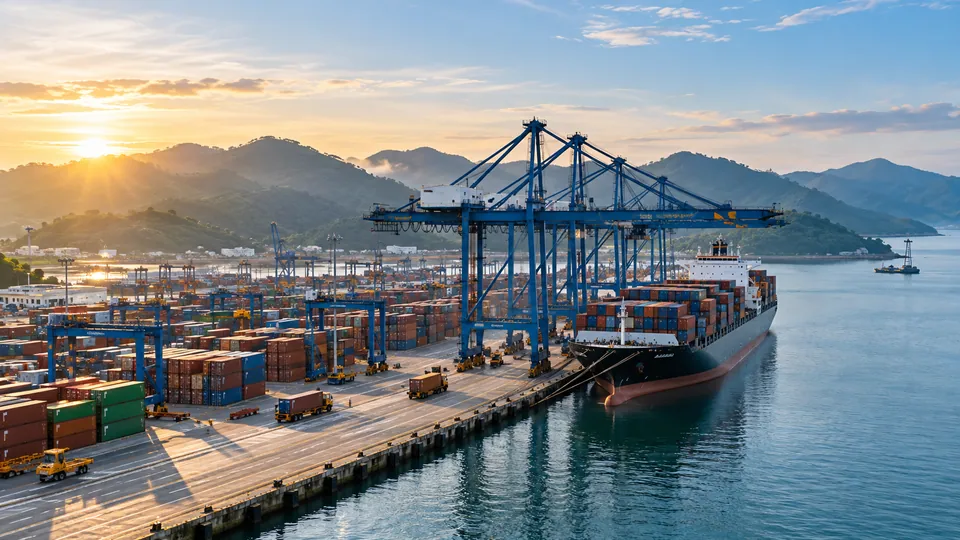
Tropical port — logistics illustration
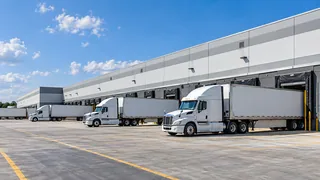
Distribution trucks — logistics illustration
Container Shipping Rates from China to Japan
  • Main seaports in China to Osaka,Kobe,Yokohama,Nagoya,Tokyo,Moji
  • Reliable shiping schedule
  • Competitive Ocean freight
Parcel handover — logistics illustration
LCL Freight Shipping from China to Japan
  • Main seaports in China to Osaka,Kobe,Yokohama,Nagoya,Tokyo,Moji
  • Fixed Schedule with in time delivery
  • Competitive freight based on per CBM or TON
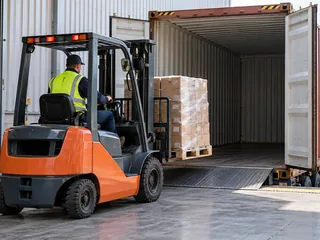
Container loading — logistics illustration
Air Freight Shipping Rate from China to Japan
  • Main airlines from China to Tokyo,Osaka,Nagoya
  • Competitive air freight rate
  • Directly and transit service both included
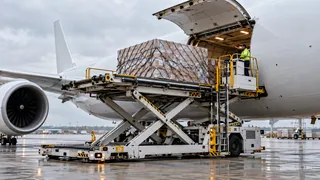
Air cargo loader — logistics illustration
Courier Serivce Shipping from China to Japan
  • Delivery to Japan
  • Huge discount of DHL/FEDEX/TNT/ARAMEX
  • Including customs clearance
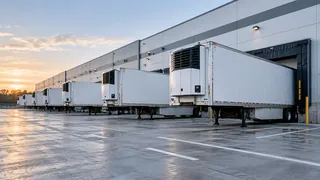
Refrigerated docks — logistics illustration
Door to Door Service Shipping from China to Japan
  • Door service by LCL/FCL/Air
  • Handling all related customs document
  • Including customs duty&taxes (DDP/DDU)
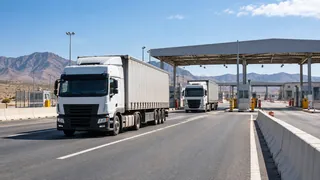
Road border — logistics illustration
Consolidiation Service
  • Collect cargo fm different supplier with different city
  • Warehouse in every main city in China
  • Custom clearance and document making

Table of Contents

Guide on How to Ship from China to Japan

Shipping goods from China to Japan is a common international trade route, and there are several methods and considerations you should be aware of when arranging such shipments. Here are some key points to consider:

1 Choose a Shipping Method:

Sea Freight: This is the most common method for shipping goods from China to Japan. You can choose between Full Container Load (FCL) or Less than Container Load (LCL) depending on the volume of your goods.

Air Freight: This is a faster but more expensive option, suitable for smaller or time-sensitive shipments.

Rail Freight: Some companies are now offering rail transport options between China and Japan, which can be a cost-effective and efficient option for certain goods.

2 Select a Freight Forwarder: You can work with a freight forwarder who specializes in international shipping to help you navigate the logistics, documentation, and regulations involved in the process. They can also help you choose the best shipping method for your needs.

Customs Clearance and Documentation:

Ensure you have all the necessary documentation, including invoices, packing lists, and certificates of origin.

Comply with both Chinese and Japanese customs regulations. You may need to pay import duties and taxes in Japan.

The customs clearance process can be complex, so consider working with a customs broker or a freight forwarder with expertise in customs procedures.

3 Packaging and Labeling:

Properly package your goods to prevent damage during transit.

Label your packages clearly with shipping information, including the consignee’s details, destination address, and any handling instructions.

4 Shipping Insurance:

Consider purchasing shipping insurance to protect your goods in case of loss or damage during transit.

5 Lead Time and Transit Time:

Plan your shipments well in advance to account for lead times, especially if you’re using sea freight, which can take several weeks.

6 Incoterms:

Define the terms of sale and responsibility for shipping costs and risks using Incoterms. Common choices for shipping from China to Japan include CIF (Cost, Insurance, Freight) and FOB (Free On Board).

7 Shipping Costs:

Shipping costs can vary widely depending on factors like the shipping method, cargo volume, and destination in Japan. Obtain quotes from multiple providers to find the most cost-effective option.

7 Regulations and Restrictions:

Be aware of any import restrictions or regulations that apply to your specific goods. Certain items may require special permits or approvals.

9 Tracking and Communication:

Stay in regular communication with your freight forwarder or shipping provider to track the progress of your shipment and address any issues that may arise.

Shipping from China to Japan, It is important to work with an experienced logistics company to ensure a smooth and successful shipping process from China to Japan, as international shipping can be complex and subject to various regulations and requirements.
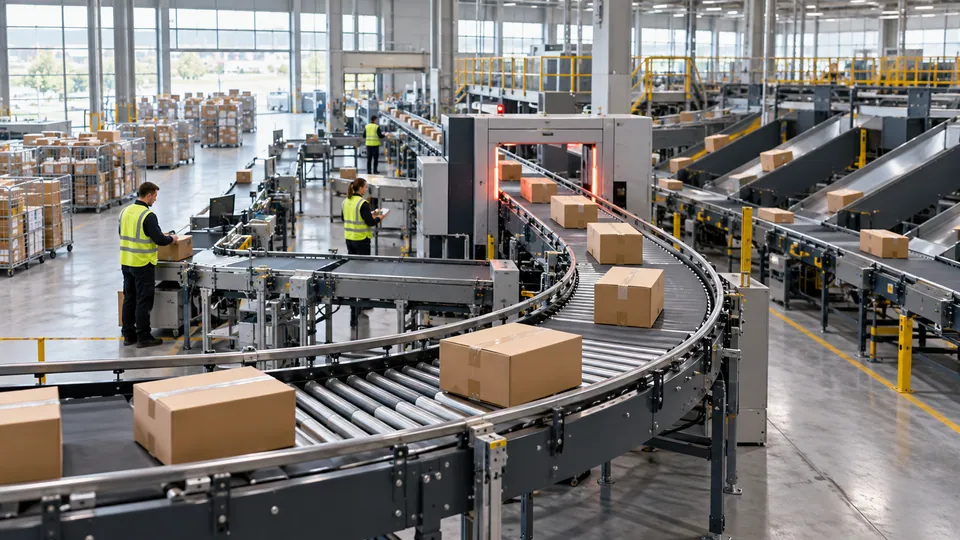
Sorting conveyor — logistics illustration

Sea Freight From China To Japan

Shipping goods via sea freight from China to Japan is a common and cost-effective method for international trade. Here are the key steps and considerations involved in shipping goods by sea from China to Japan:

Ocean Freight to Japan

Less than Container Load (LCL): Your freight can be shipped to Japan in a shared container using LCL shipping. It’s ideal if your consignment is small and can’t be transported as air freight for safety or financial reasons.

Full Container Load (FCL): Your cargo can be transported to Japan in a container that’s exclusively for your use when you use FCL shipping. There’s no obligation to fill the container—you can send a partial load if you wish. FCL is usually quicker than LCL and less expensive if you have a lot of goods to transport.

Choose a Port of Departure in China:

China has several major ports, including Shanghai, Ningbo, Qingdao, and Shenzhen. The choice of port will depend on your location in China and the specific shipping route you prefer.

Select a Port of Arrival in Japan:

Major ports in Japan include Tokyo, Yokohama, Osaka, and Kobe. Your choice of port should be based on the final destination of your goods in Japan.

Choose a Shipping Container:

You’ll need to decide on the type and size of shipping container for your cargo. Common container sizes include 20-foot and 40-foot containers. Ensure that your goods are properly packed and secured within the container.

Book the Shipping Space:

Contact a shipping line or freight forwarder to book your shipping space. Be sure to provide all necessary details about your cargo, including dimensions, weight, and type of goods.

Customs Documentation:

Prepare all the required customs documentation, including invoices, packing lists, certificates of origin, and any other relevant permits. These documents will be essential for clearing customs in both China and Japan.

Customs Clearance:

Work with customs brokers or agents in both China and Japan to ensure that your goods clear customs smoothly. Compliance with customs regulations is crucial.

Container Loading and Transport to Port:

Arrange for your goods to be transported to the port of departure in China. Make sure they are loaded securely into the container. The shipping line or freight forwarder can often help with this.

Ocean Freight Transit:

Your cargo will be loaded onto a cargo ship and transported across the sea to the chosen port in Japan. The transit time can vary depending on the route and weather conditions.

Arrival in Japan and Customs Clearance:

Once your cargo arrives in Japan, it will go through customs clearance at the port of arrival. Ensure all necessary documentation is available for this process.

Delivery to Final Destination:

After customs clearance in Japan, your cargo can be transported to its final destination within Japan. This may involve using trucks or other forms of inland transportation.

Customs Duties and Taxes:

Be aware of any customs duties, taxes, or import regulations in Japan, as these may vary depending on the type of goods you are importing.

It is important to work with SYNHOPE LOGISTICS freight forwarding professionals to ensure smooth and compliant Sea Freight from China to Japan. Additionally, when planning your shipment, consider factors such as shipping costs, transit time, and the nature of your shipment.

Air Freight From China To Japan

Air freight for shipping from China to Japan is one of the important way, and although it is expensive, many people choose it for goods transportation. If you want to use this method, it is essential to know all the detailed information. Air cargo are ideal methods for these conditions:

     · When goods are under 200 kg
     · When goods aren’t in bad shape
     · It is better to remember air freight is not suitable for super large > cargo. In airfreight, goods can transport in the Express or Classic method. In Express, all goods arrive between 1 to 3 business days at the destination, but it takes 4 to 8 business days in a second way.

The cost of shipping a 20-foot container (20′ GP) from China to Japan ranges from $600 to $2,500, depending on the factors mentioned above.

The cost of shipping a 40-foot container (40′ HC) from China to Japan typically ranges from $1,000 to $3,000, and can increase significantly depending on the specific situation.

Air freight costs are generally calculated based on weight and volume. Air freight costs from China to Japan are approximately $3-8 per kilogram. The specific cost depends on the airline, cargo type, market demand, and other factors.

Shipping MethodShipping From China to Japan (Cost)
Sea Freight (20ft Container)Approx. USD 600 for a 20ft container
Sea Freight (40ft Container)Approx. USD 1,000 for a 40ft container
Sea Freight (LCL)Approx. USD 50 per cubic meters (m3)
Air FreightApprox. USD 400 for 100kg

20ft & 40ft container shipping costs from China to Japan

How much does it cost to ship a container from China to Japan?, the average price to ship a container from China to Japan is from $600 to $3000 US Dollars.

Container shipping rates from China to Japan

These are the average prices to ship a container from China to Japan with the cheapest rates for loading and shipping containers from the major ports in China to Japan for 20ft and 40ft containers (FCL) with all types of cargo such as: commercial cargo, vehicles, or personal effects for international shipments to Japan.

Container shipping service to JapanType of containerOcean freight rates to Japan:
How much does it cost to ship a container from Shanghai to Japan20 foot container FCL
40 foot container FCL
average prices from: $850 20FT
average prices from: $1550 40FT
How much does it cost to ship a container from Qingdao to Japan20 foot container FCL
40 foot container FCL
average prices from: $850 20FT
average prices from: $1550 40FT
How much does it cost to ship a container from Shenzhen to Japan20 foot container FCL
40 foot container FCL
average prices from: $850 20FT
average prices from: $1550 40FT
How much does it cost to ship a container from Tianjin to Japan20 foot container FCL
40 foot container FCL
average prices from: $850 20FT
average prices from: $1550 40FT
How much does it cost to ship a container from Ningbo to Japan20 foot container FCL
40 foot container FCL
average prices from: $850 20FT
average prices from: $1550 40FT
How much does it cost to ship a container from Hong Kong to Japan20 foot container FCL
40 foot container FCL
average prices from: $850 20FT
average prices from: $1550 40FT
How much does it cost to ship a container from Guangzhou to Japan20 foot container FCL
40 foot container FCL
average prices from: $850 20FT
average prices from: $1550 40FT

Shanghai (China) to Tokyo (Japan):

This is one of the most common shipping routes between China and Japan.

Approximate transit time: 6 to 10 days.
Ningbo (China) to Yokohama (Japan):

Another popular route connecting China and Japan.

Approximate transit time: 5 to 9 days.
Qingdao (China) to Osaka (Japan):

For shipments bound for the Kansai region of Japan.

Approximate transit time: 7 to 12 days.
Shenzhen (China) to Kobe (Japan):

This route is suitable for businesses targeting western Japan.

Approximate transit time: 9 to 14 days.

How long does it take to Sea Freight from China to Japan? Please note that these are approximate transit times for the sea voyage itself and do not include factors such as customs clearance, port handling, and inland transportation within Japan. The total time it takes for your cargo to reach its final destination in Japan will depend on these additional factors and the efficiency of logistics and customs processes.

Door to door shipping from China to Japan

Door to door shipping from China to Japan is a comprehensive logistics solution designed to facilitate the transportation of goods directly from the shipper’s location in China to the recipient’s designated address in Japan. The service simplifies the shipping process and eliminates the need for shippers and recipients to deal with multiple carriers or logistics providers.

Door-to-door service is an all-inclusive shipping option that covers every step of the logistics journey. It involves:

  • Pick up goods from the shipper’s location: The logistics provider collects the goods directly from the shipper’s location.
  • Shipping to destination: The goods are then transported to Japan by sea or air, ensuring a smooth transportation process.
  • Customs clearance: The logistics provider manages all necessary customs documents and customs clearance procedures to ensure compliance with laws and regulations.
  • Final delivery to the recipient’s address: Once the goods arrive in Japan, they will be delivered directly to the recipient’s designated address, completing the door-to-door journey.

There are 2 modes for door-to-door shipping from China to Japan:

  • Delivered Duty Unpaid (DDU): Under DDU, the seller is responsible for shipping the goods to Japan but is not responsible for import duties and taxes. The buyer is responsible for paying any applicable duties when the goods arrive.
  • Delivered Duty Paid (DDP): DDP takes the shipping process a step further, ensuring that the seller is responsible for all responsibilities, including duties and taxes, until the goods arrive at the buyer’s address. This option provides a worry-free experience for the buyer as all costs are prepaid.

Door-to-door shipping from China to Japan services can also be customized to specific types of shipments:

  • LCL (Less than Container Load) Door-to-Door Service: This option allows businesses to send smaller shipments that do not fill an entire container. Multiple shipments can be consolidated into one container, saving costs and ensuring reliable delivery.
  • FCL (Full Container Load) Door-to-Door Service: For larger shipments, the FCL service enables businesses to use an entire container to ship goods, facilitating efficient shipping and potentially reducing costs.
  • Air Freight Door-to-Door Service: This service is ideal for businesses that need to deliver high-value or time-sensitive products quickly. Air freight door-to-door service ensures that goods are delivered quickly from the shipper to the recipient.

DDP shipping from China to Japan

DDP, or Delivered Duty Paid, is a comprehensive shipping arrangement that simplifies the process of shipping goods from China to Japan. Under this international trade term, the seller is responsible for almost all aspects of the shipment of goods, including freight, import duties, taxes, and delivery to the buyer’s designated location in Japan. Let’s explore the benefits of DDP shipping for businesses and individuals:

  • Reduced Complexity: DDP shipping minimizes the complexity of international trade for Japanese buyers. They don’t have to worry about arranging shipping, clearing customs, or dealing with import duties and taxes. This simplicity simplifies the logistics process.
  • Cost Transparency: With DDP shipping, the seller is responsible for all costs, including shipping, duties, and taxes. This provides buyers with clear and predictable costs, making budgeting and financial planning simpler.
  • Efficient Customs Clearance: The seller is responsible for handling all customs formalities and ensuring that the goods comply with Japan’s import regulations. This reduces the risk of customs-related delays or problems, ensuring a smoother customs clearance process.
  • Reduced Risk: DDP shipping transfers a large portion of the risk from the buyer to the seller. The seller is responsible for any potential problems or damage during transportation, helping buyers avoid unexpected expenses or hassles.
  • Save time: Buyers in Japan can save time as they don’t have to spend time and energy coordinating logistics or dealing with customs formalities. This allows them to focus on other important aspects of their business.
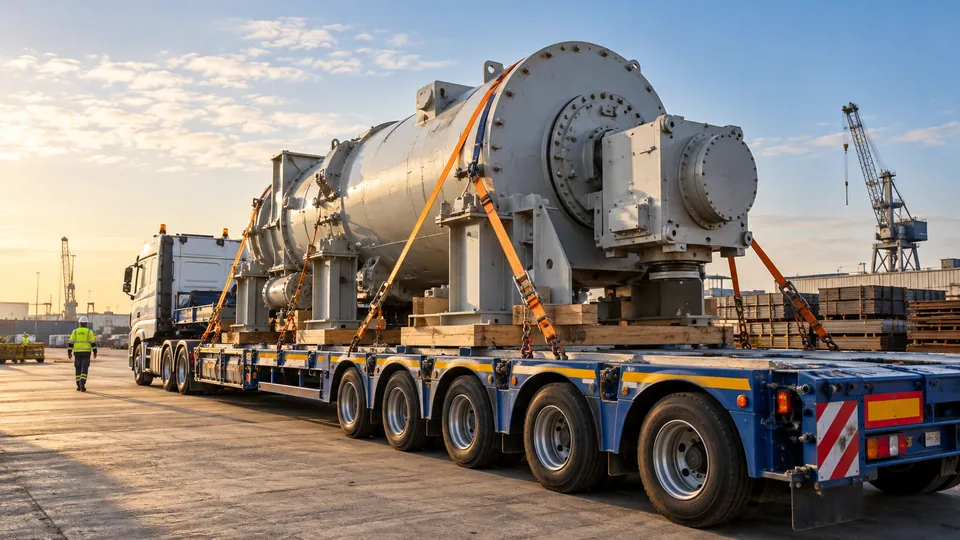
Project machinery — logistics illustration

Learn more: DDP Shipping from China
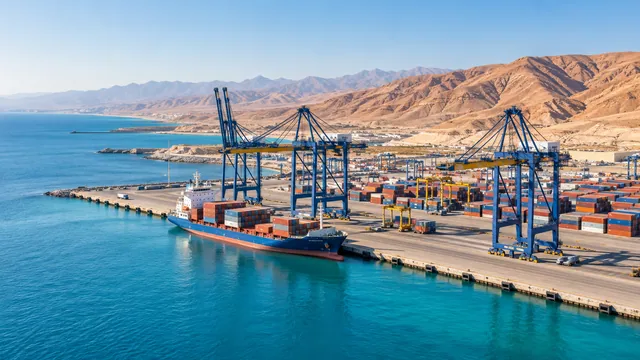
Understanding Import Taxes and Duties in Japan

Impact of Import Taxes on Overall Shipping Costs
Understanding the impact of import taxes and duties is critical to budgeting and pricing strategies when shipping goods from China to Japan. Import taxes can significantly increase the total cost of shipping and affect the overall pricing structure of imported goods. Here are the key components:

Value Added Tax (VAT) : In Japan, the standard VAT rate is 10%. This tax is levied on the CIF value (cost, insurance, and freight) of the imported goods.

Taxes: Tariffs are determined by the classification of goods under the Harmonized System (HS) code. Tariffs can vary widely, with some goods (such as electronics) subject to lower rates and others (such as luxury goods) subject to higher rates.

Calculation Basis: Taxes are calculated based on the declared value of the goods, including insurance and freight to the port of entry in Japan.

For example, if a shipment of electronics is worth $10,000 and freight and insurance are another $1,000, the total CIF value used to calculate taxes is $11,000. Assuming a 3% tariff, the tariff would be $330 and a 10% VAT would add $1,100, which would significantly impact the total cost.

Some documents are required for customs clearance in Japan, as follows:

  • Bill of Lading (An ocean bill of lading is a document issued by a shipping company or its representative to receive goods for shipment. If a bill of lading has been used as a receipt for goods, it means that the goods have been received by the relevant shipping company, but it does not mean that the goods have been confirmed to be shipped. The bill of lading is called “shipped”. The bill of lading is called “air waybill” or “air consignment note” or “air freight bill”, and is usually issued in 12 copies, of which 3 copies are commercially important copies and the remaining copies are for internal use by the airline.)
  • Invoice (It is a document issued by the seller in the name of the buyer containing information about the goods or goods sold.)
  • Certificate of Origin (A document issued by the Chamber of Commerce of each country for export goods, issued for each exported item. This document proves the place (country) of manufacture of the goods and is part of the documents required for customs clearance by the buyer so that it can be sent to the buyer in a timely manner with other documents)
  • Packing List (A list of all items to be shipped)
  • Test or Inspection Certificate (Issued by an international investigation company)
  • Insurance (all items must be insured)

Freight forwarding from China to Japan

Freight forwarders are essential in the world of international logistics, acting as a vital intermediary between shippers and transportation services. Here’s how they facilitate shipping from China to Japan:

  • Logistics management: Freight forwarders coordinate the various logistical stages of international freight transport, from initial pickup to final delivery. This includes arranging transportation, processing documentation, and managing shipping plans.
  • Customs clearance: Navigating complex customs regulations is a key responsibility of freight forwarders. They ensure that all necessary documents are accurately completed and duties are paid, thereby avoiding any delays when crossing borders.
  • Cargo tracking: Freight forwarders provide real-time tracking capabilities to ensure transparency throughout the shipping process. This allows shippers to monitor the status of their shipments and anticipate potential problems in a timely manner.
  • Freight forwarders simplify the shipping process by integrating these services, thereby increasing the efficiency and reliability of international trade. For example, the shipping of electronics can be complicated due to their value and sensitivity; freight forwarders specialize in handling such goods, ensuring that they are properly managed at every stage of transportation.

Shipping From China To Japan: Why Choose SYNHOPE LOGISTICS

SYNHOPE LOGISTICS Freight makes it easier for all kinds of companies to export to Japan. It’s a comprehensive platform on which shippers can get quotes, compare prices, book shipments, and track the progress of their freight.

Other benefits of using SYNHOPE LOGISTICS to coordinate your cargo shipments to Japan include:

1. Our friendly customer service team—available to help you 24/7.

2. Our meticulous approach to compliance with all relevant rules and regulations.

3. Our dedication to simplifying shipping, which includes customs clearance services to spare you from the complexities.

4. SYNHOPE LOGISTICS is your trusted partner for a seamless and reliable shipping experience.

SYNHOPE LOGISTICS Shipping Case from China to Japan

Get a Quote

Scroll to Top